


Architecture can outlive its intended use. The lifespan of a building not only can extend beyond the life of its designer but can bear witness to societal change. Buildings change over time—they aren’t static, unwavering fixtures in our environment. They can be remodeled, rejected, and/or reappropriated to better serve our changing needs, wants, and priorities.
Take the Roundhouse, a music venue in London that had a brief former life as railway turntable. The building’s cylindrical form, allowed forward moving locomotives to be turned around via a turntable for the return journey. It opened in 1847, but after a decade of use, newer, longer locomotives outgrew the structure. Although its specific form served a specific, technical function initially, technological advancements quickly eroded its intended use. The now defunct turntable engine shed had to adopt other uses like becoming a gin warehouse before eventually becoming a music venue in 1966. The 160 foot diameter, radially planned structure couldn’t suit just any use.
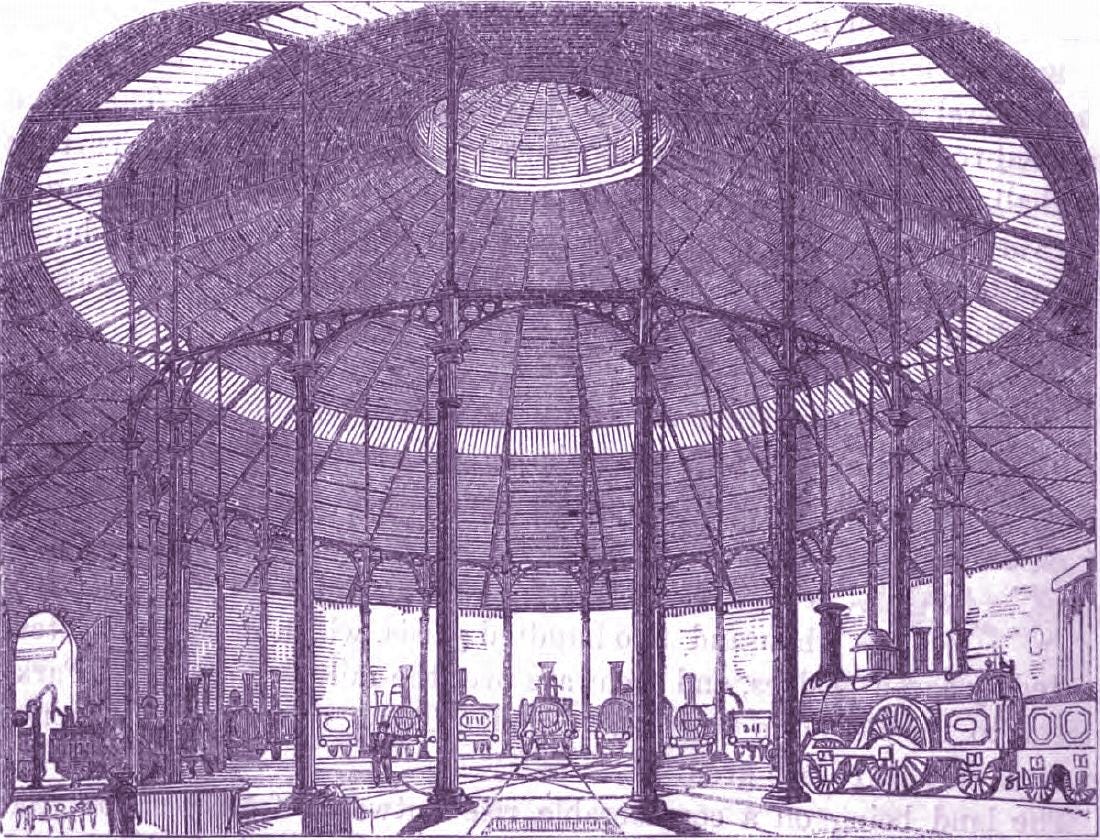
To better understand the structure itself and its potential. I want to turn to this description of the Roundhouse written by north London historian and educator Jack Whitehead.1
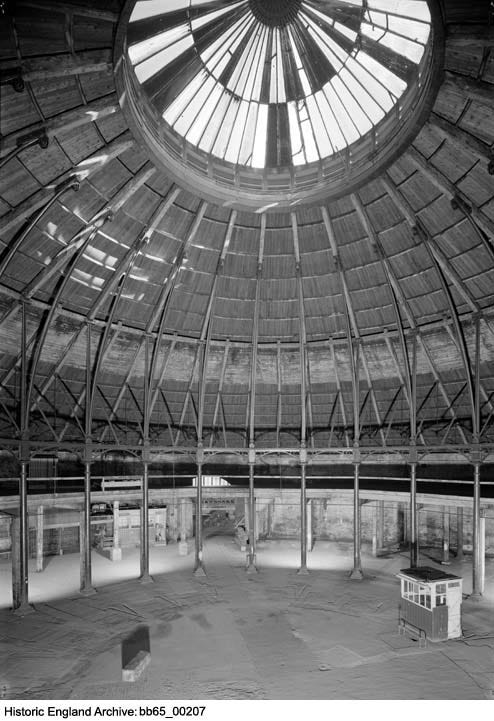
“It was so well designed that not a brick, not a pillar, not a slate was wasted. Everything did its job in the most economical way possible. Below were brick vaults which raised the turntable and engine storage bays to the railway level. Simple, functional and not used at first for any other purpose, such as for storage or stables. In the centre of the railway level was the circular turntable leading to bays of similar length all round. These were surrounded by a circular brick wall and a circle always encloses the largest area for the fewest bricks. No wasted corners or land. Above was a conical roof requiring the smallest quantity of timber as rafters and the fewest slates. Above again was an open lantern, so that the hot air and steam would rise and escape, giving natural ventilation.”
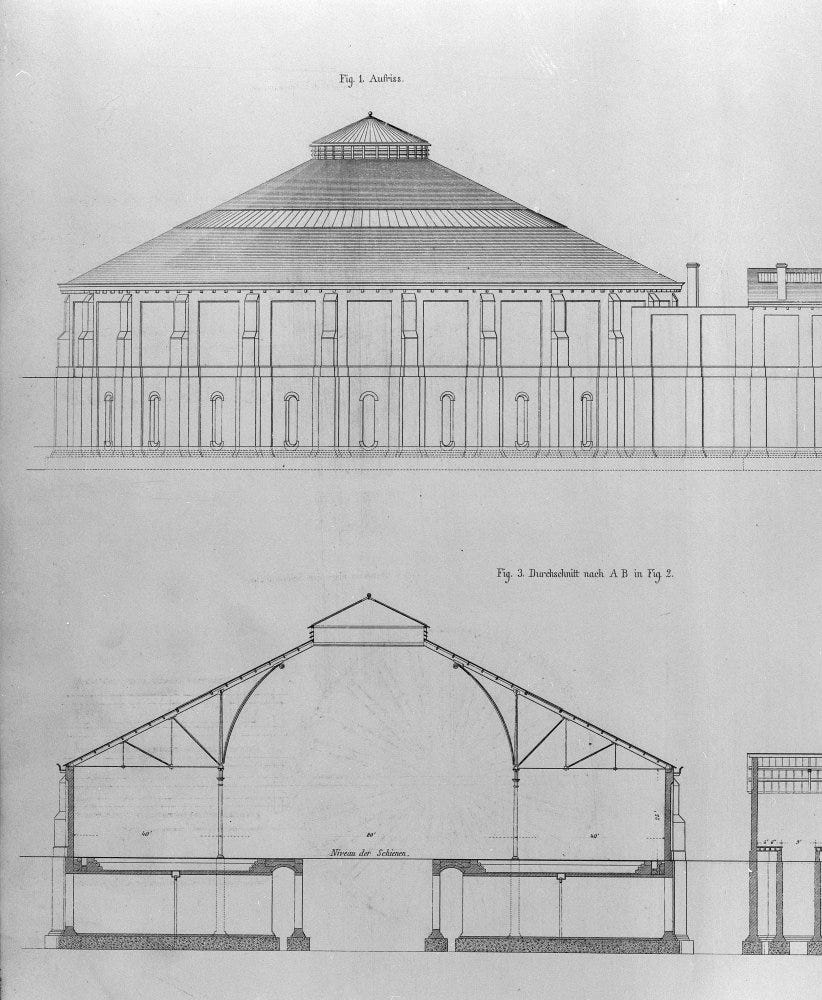
What could be more apt than giving an economical structure a new purpose? Its design and material considerations were applied judiciously. The Roundhouse was barely ten years old before it could no longer be used as intended. It was a perfectly good structure, but unsuited for new larger locomotives. Adaptive reuse was the perfect answer to the Roundhouse’s problem.
When the time came to revitalize the structure, many saw the need for a cultural space—one that could host concerts and non-proscenium based theatrical performances. The space was ripe for a new life that could match and activate its unconventional form. Surviving unconventional spaces like the Roundhouse prove atypical forms can serve unanticipated uses. Too often we rely on boxy, orthogonal forms to maximize their potential utility over time. But these spaces are tired. When I think of my favorite music venues, their form and character add something to the performance and the audience’s experience. They might not be the best venues sonically, but their spaces are more than a canvas for an event.
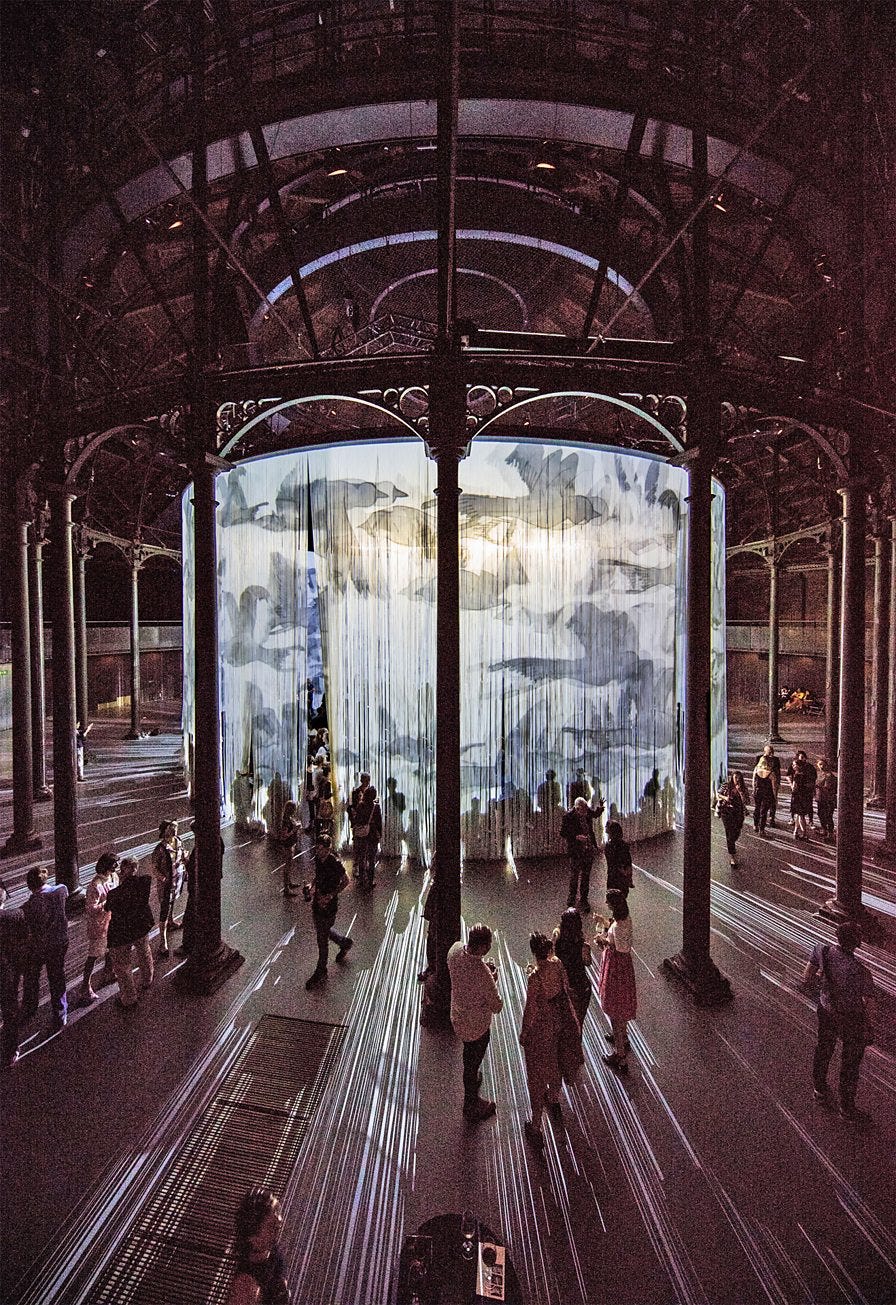
Several acts have released live albums from their Roundhouse performances. These recordings give us another representation of the space. The Roundhouse’s distinctive form and materiality leave an acoustic imprint on these live recordings. I made a playlist with a sampling from these live records.
I want to continue writing about unconventional music venues. If you have a favorite in mind please let me know in the comments!
Big thank you to Glacismusic for introducing me to the Roundhouse. I hope to visit it the next time I am in the UK.
I’d share a video of Young Fathers or PJ Harvey from the roundhouse but doesn’t seem to be such an option! Great article.
Can’t wait to find out about other venues