

Issue #40
Exposed to the Elements

Buildings and songs take time to become habitable spaces and shelters. Whether reroofing an old townhouse or building a song from scratch, at some point the project will be exposed to the elements outside. You can try to protect the vulnerable project with a tarp or hidden away in your voice memos, but security measures can fail and external forces eventually find their way in.
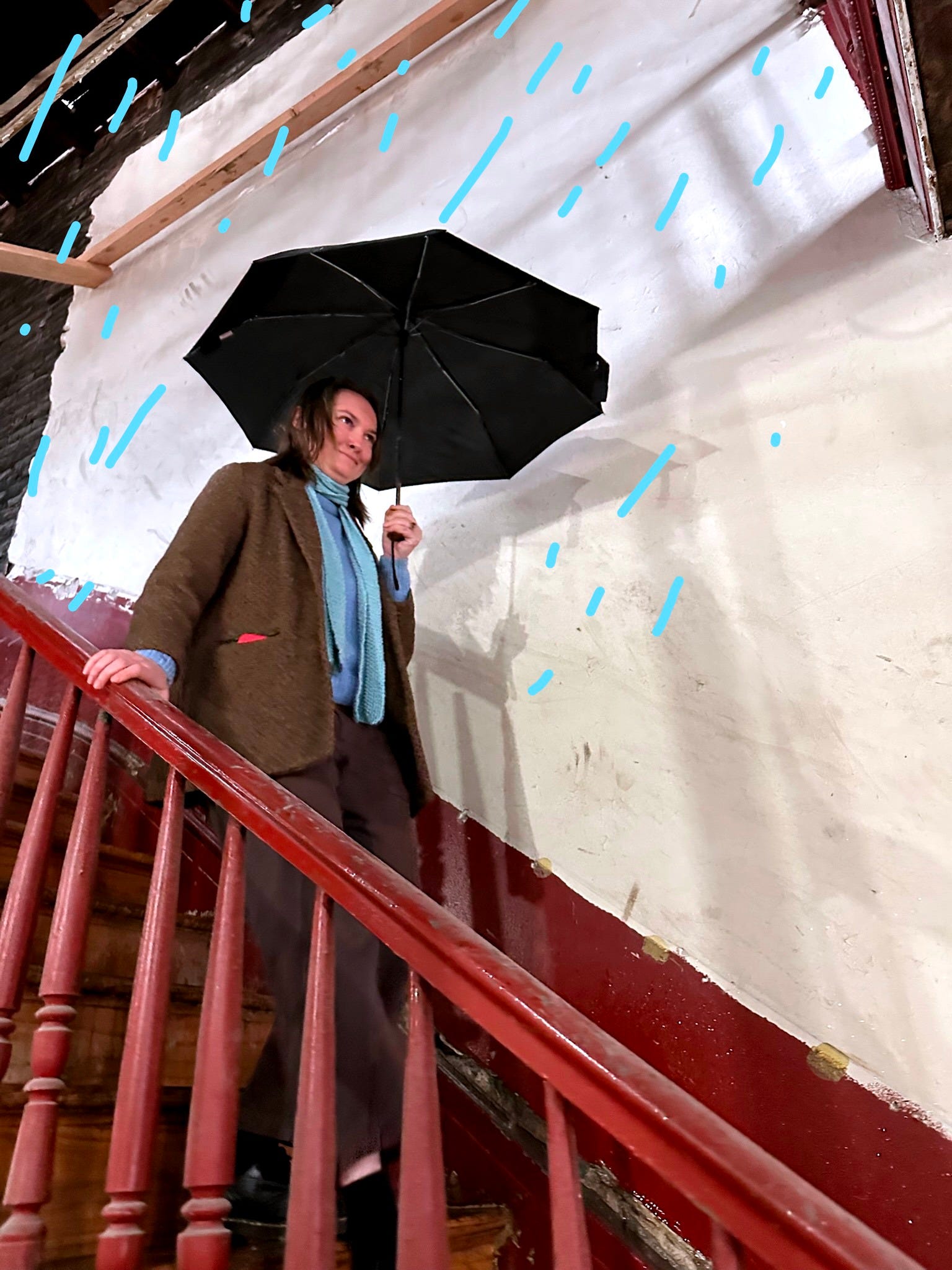
In songwriting, I often share my early progress with songs on social media. I’ve found this to be a good test for lyrics and song structure. I never really know what songs people will connect with, and it isn’t something for me to decide. I share what I’m working on in the moment, and the feedback I receive helps me direct my attention toward my next steps. The following shows my initial share vs the most recent practice recording of the same song.

 Tiktok failed to load.
Enable 3rd party cookies or use another browser
Much of my creative process involves ongoing feedback and iteration. When I expose a project to the elements, I can see the project’s faults and strengths more clearly. Only on a rainy day do you realize you have a roof leak. Only when I share a new song with my band, do I notice it needs another section. The elements show me exactly what to address. It is this necessary friction that pushes the work forward quickly.

Sometimes this exposure shows me that the project is hardier than expected and can survive historic flooding or a music critic’s review. Sometimes the exposure shows me there is a major flaw or nothing to fix. The project with all its facets and peculiarities was fashioned to thrive in a hostile environment.
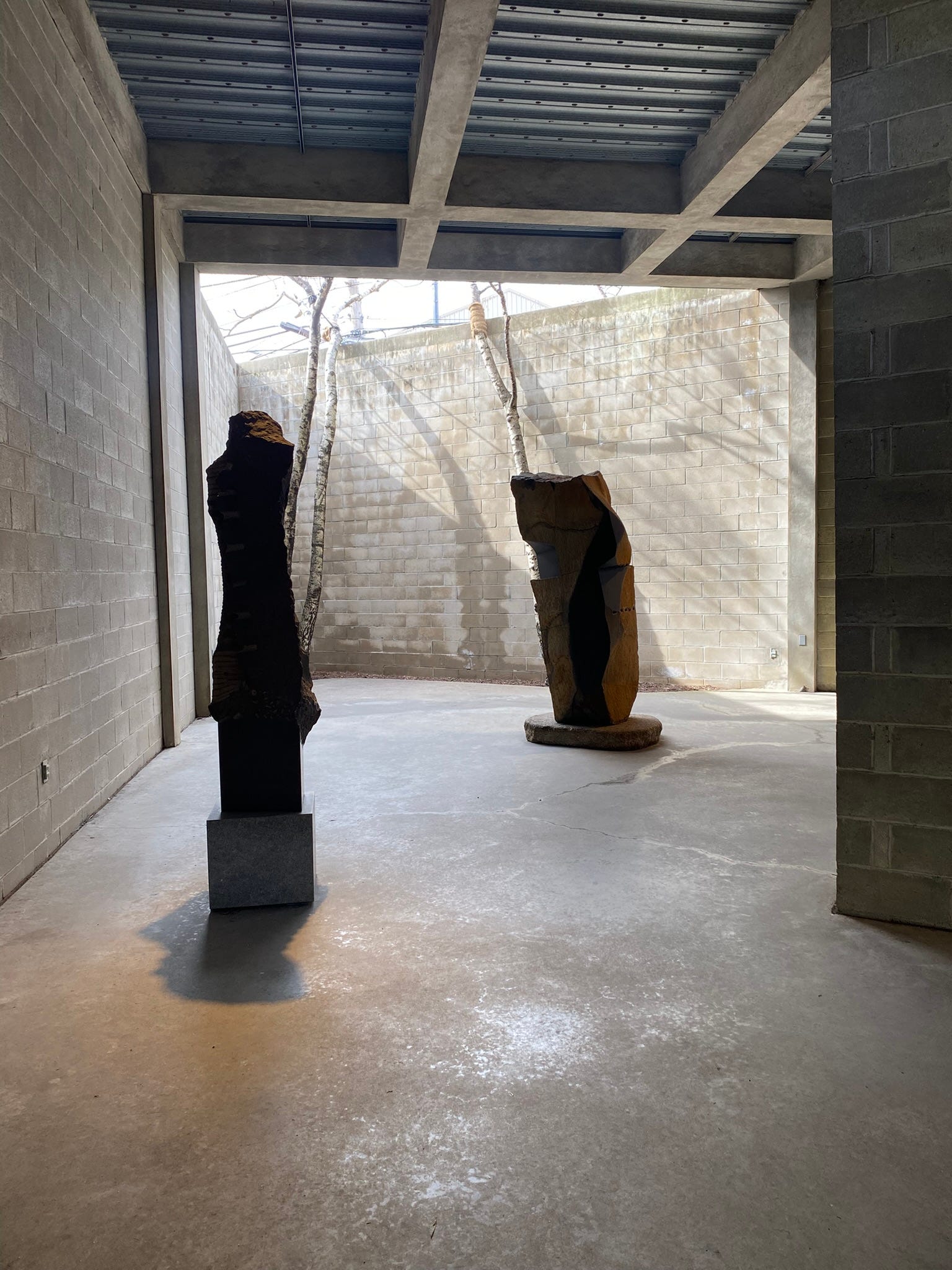
Over the years, I’ve learned that exposing my work to the elements makes it stronger and improves my songwriting and architectural practices. My projects don’t live in a vacuum, they exist in a climate-stricken world. The elements won’t wait for your roof to be shingled or your release strategy to roll out.
In grad school, I took a independent research course on plant-based building materials. I spent the semester researching tree bark and produced a 22-page report on its material properties, material production, design considerations, and cultural history. Studying tree bark allowed me to understand the inherent qualities of a material continually exposed to the elements.
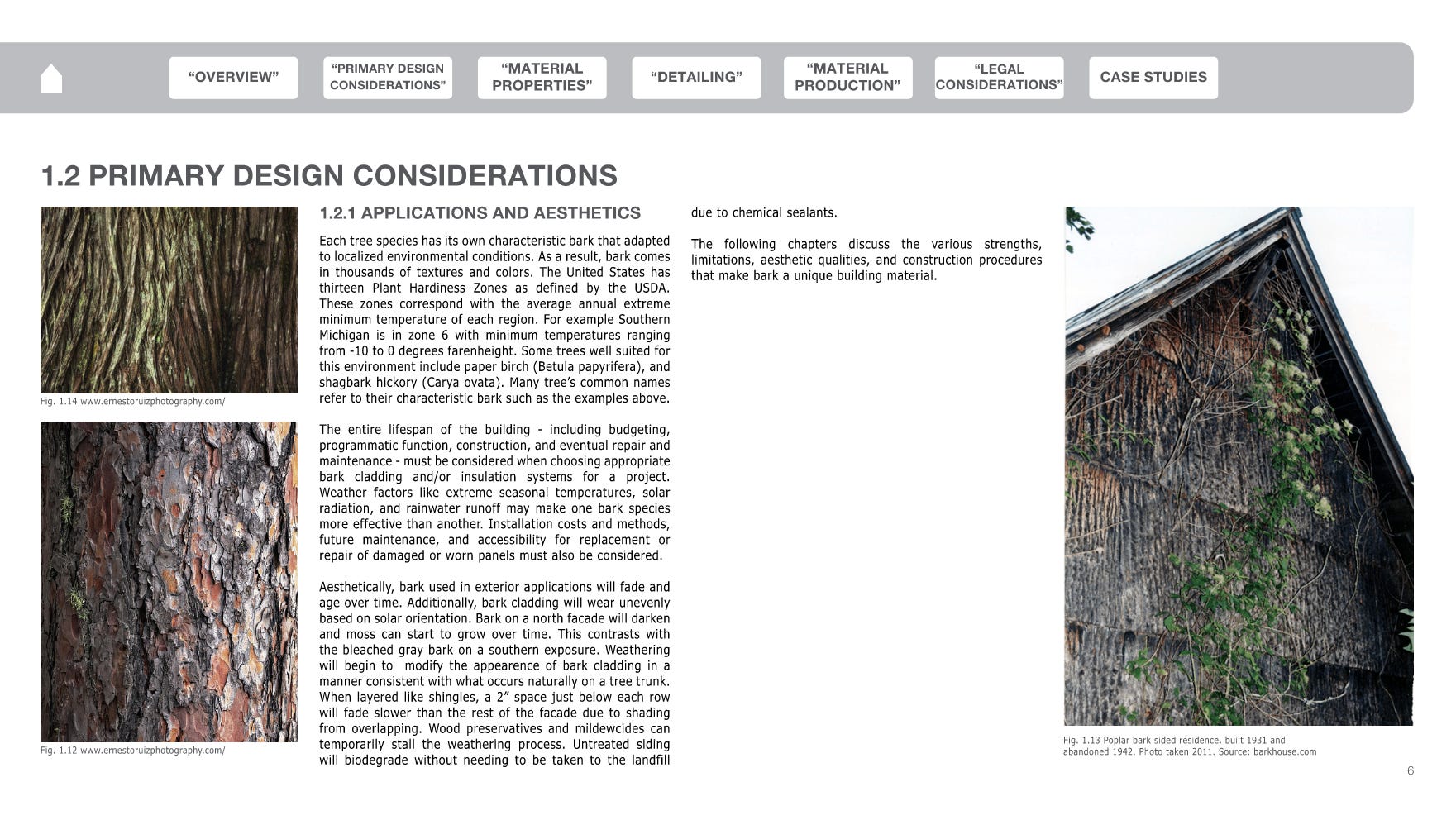
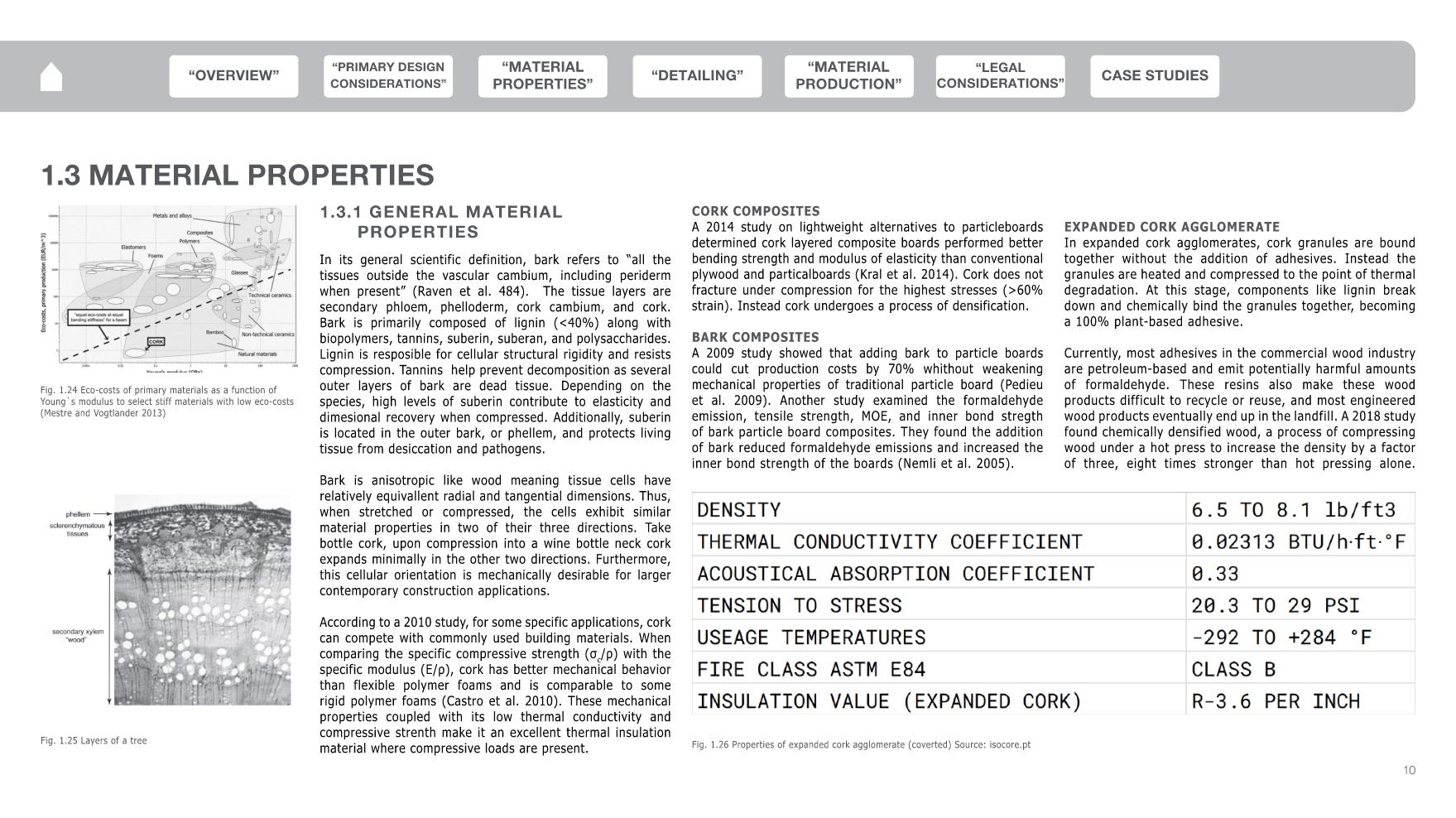
It bothered me that bark, a material so perfectly adapted to contend with its environment, is often relegated to the role of residue, fuel, and mulch. I learned that bark’s qualities make it an ideal candidate for performance-based applications like insulation and cladding. Which made sense logically, bark is a tree’s natural jacket and defense system. Over time, material exposed to the elements either fails or adapts to its environment. I’ve always been a swimmer.