

Issue #12.1
Origin Points

I published this newsletter one year ago when my audience was about half the size it is now. I thought I’d share an update along with the original post as a year-end recap. Happy New Year y’all!
I’m sitting here one year later, more connected to this post than before. Since writing this, I’ve begun planning my own wedding which will take place at The Farm next year. The Farm is a special place, I’m lucky enough to know well.
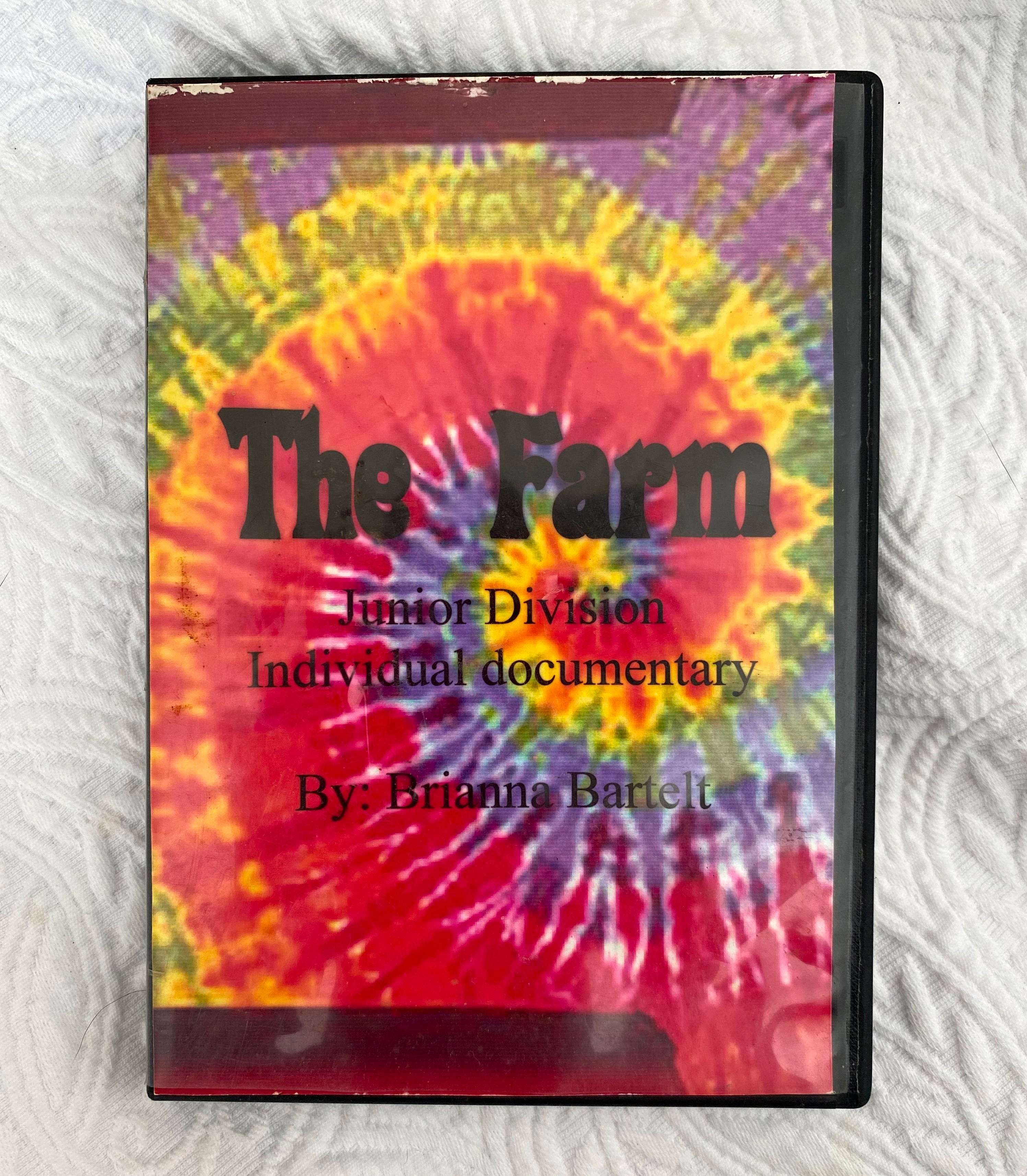
I recently found a documentary on The Farm I made in 6th grade for a school history project. I personally interviewed former farm residents on their experiences there. I had to dig out an old DVD player, RCA cables, and an old TV that could accept those cables in order to rewatch it. Who knew the DVD days were so long ago! The documentary was just as I remembered it, adorned with a tie dye cover and a Jefferson Airplane soundtrack.
If you’re interested to learn more about The Farm check out their website and consider subscribing to their newsletter, Farm Fresh: https://thefarmcommunity.com/
As the year grinds to a halt and the days start to lengthen again, I am reminded of origin points of all kinds: my own, the song I just finished (that took 15 years to write), my relationships, this newsletter, and countless others. Origins are often humble—a dormant seed in winter—but a seed has to come from somewhere whether it be from a great oak or a blueberry.
Origin points are significant in architectural practice. Architects endlessly discuss precedents, existing projects used as a source of inspiration or conceptual framework for a new project. But there are also literal origin points in digital 3D modeling. Boot up any architectural Building Information Modeling (BIM) software and anything you create is tethered to an origin point. Data is linked to this point (0,0,0) which has no basis in our physical reality unless linked to a project’s GPS coordinates. But lets turn back to precedents as origin points.
The act of creating something new mediates between what has been and what is. What has been is the origin point, the springboard for creation. Without it—there is no footing for the new. Without an arbitrary digital origin point at (0,0,0), the newly created drawn lines have no way of orienting and relating to one another. Without a grounding compass, the new falls flat—unable to relate to other works or be understood by an audience.
“A drawing is also a product of its circumstances, emerging in relation to both the material conditions of its realization and the historical possibilities afforded at the moment of its creation…each drawing is a record of two worlds: the world made within the drawing and the world in which it is made.” John McMorrough, Drawing Codes
In an effort to be better understood by my audience, I want to talk about my origin point and the legacy of my birthplace. Since starting this newsletter in October, I have discussed the concept of world building in the context of songwriting and architecture. But we can also see the concept demonstrated in our cities and communities. I want to turn to an intentional community I hold dearly: The Farm.
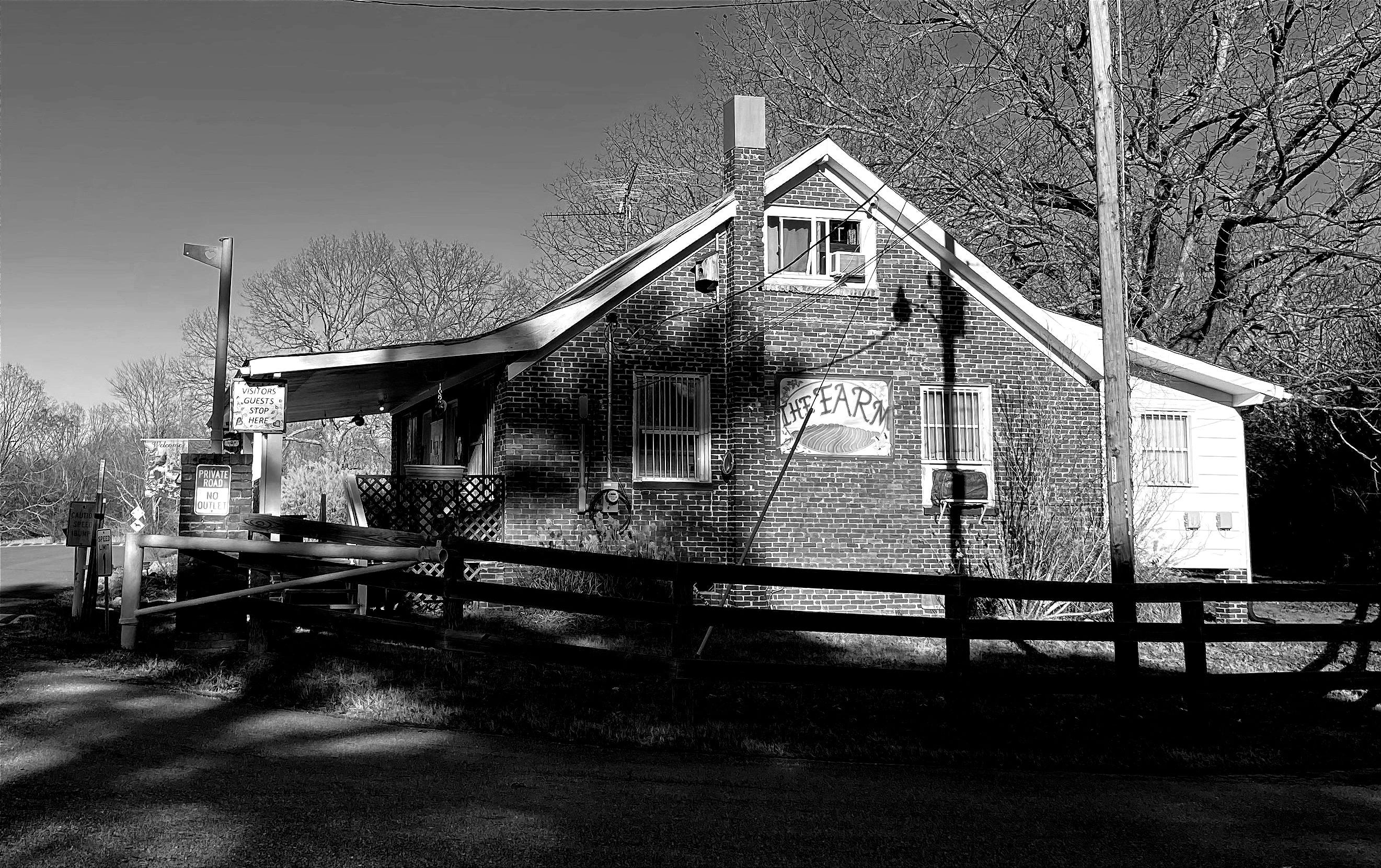
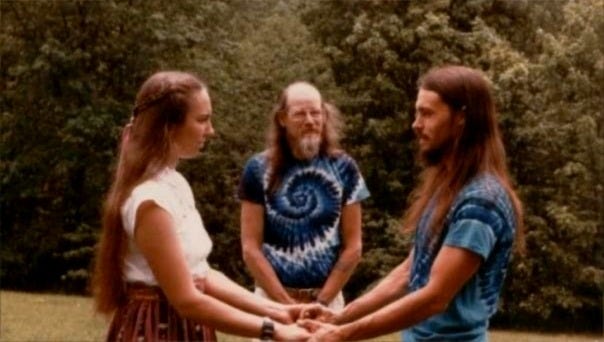
The Farm is an intentional community located an hour south of Nashville in Summertown, TN founded by Steven Gaskin. Originally, the 300 person community settled there after caravanning from San Francisco, CA in a 63 school bus tour across the United States from 1970-71.1 After making a down payment on the 1,050 acre Black Swan Ranch, The Farm Community was founded. By 1972, they had built a motor pool, sorghum mill, dry goods store, school, and a clinic.2 My mother moved to The Farm in 1975 at age 19, and my father moved shortly after in 1977. Steven Gaskin officiated my parents’ wedding on The Farm in 1983.
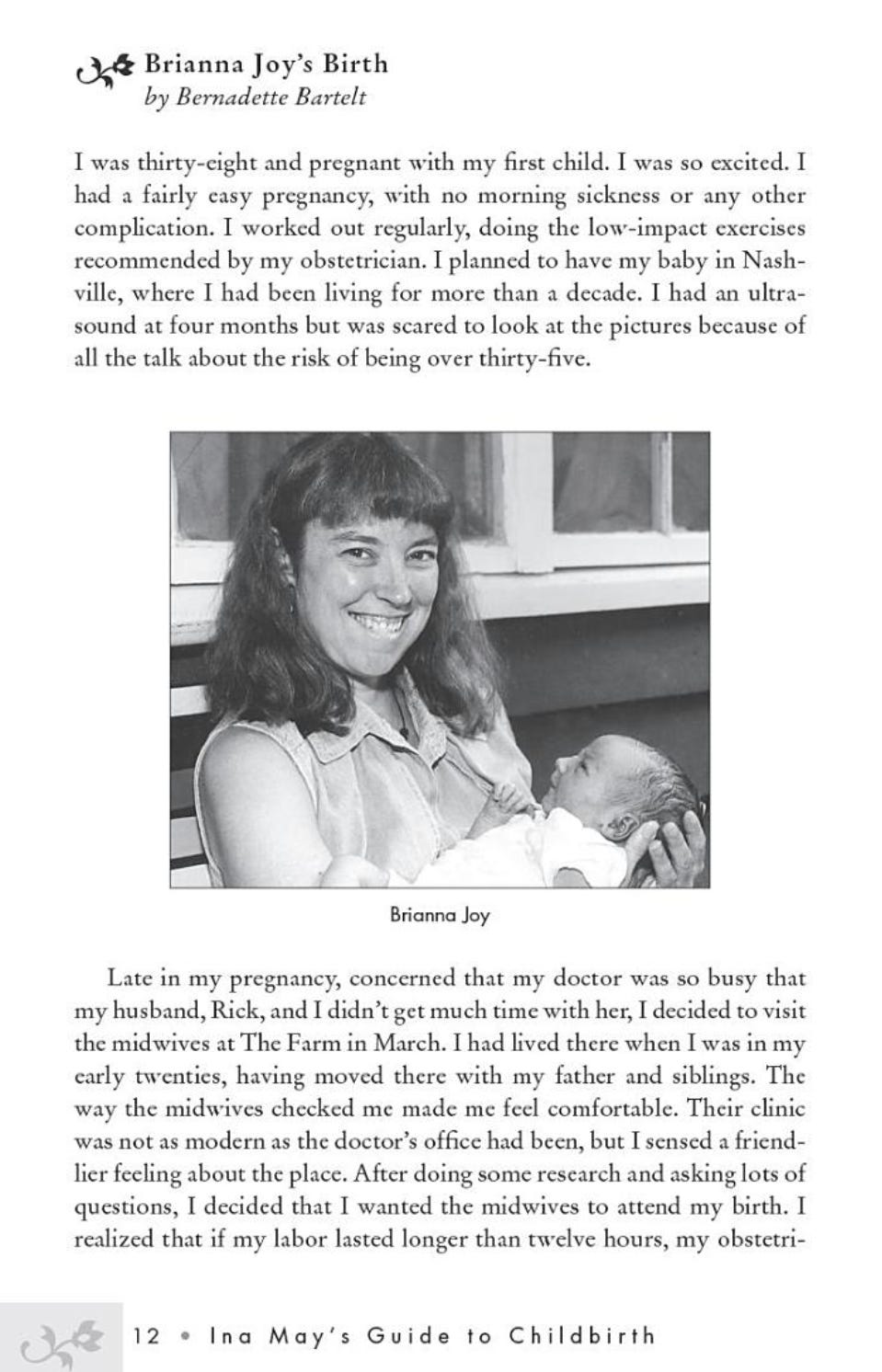
I was born on The Farm and delivered by Ina May Gaskin. My mother’s birth story was published in Ina May’s book: Ina May's Guide to Childbirth. This is literally my origin story.
I have had the privilege of visiting The Farm many times over the years, and I have met many of the original members including Steven and Ina May Gaskin. Another couple, Pamela and Leslie Hunt, invited my family down to The Farm for lunch this past weekend. Pam was also a midwife on The Farm and has delivered over a thousand babies. They shared many stories about the early days on The Farm, and we discussed the realities of world building without many resources.
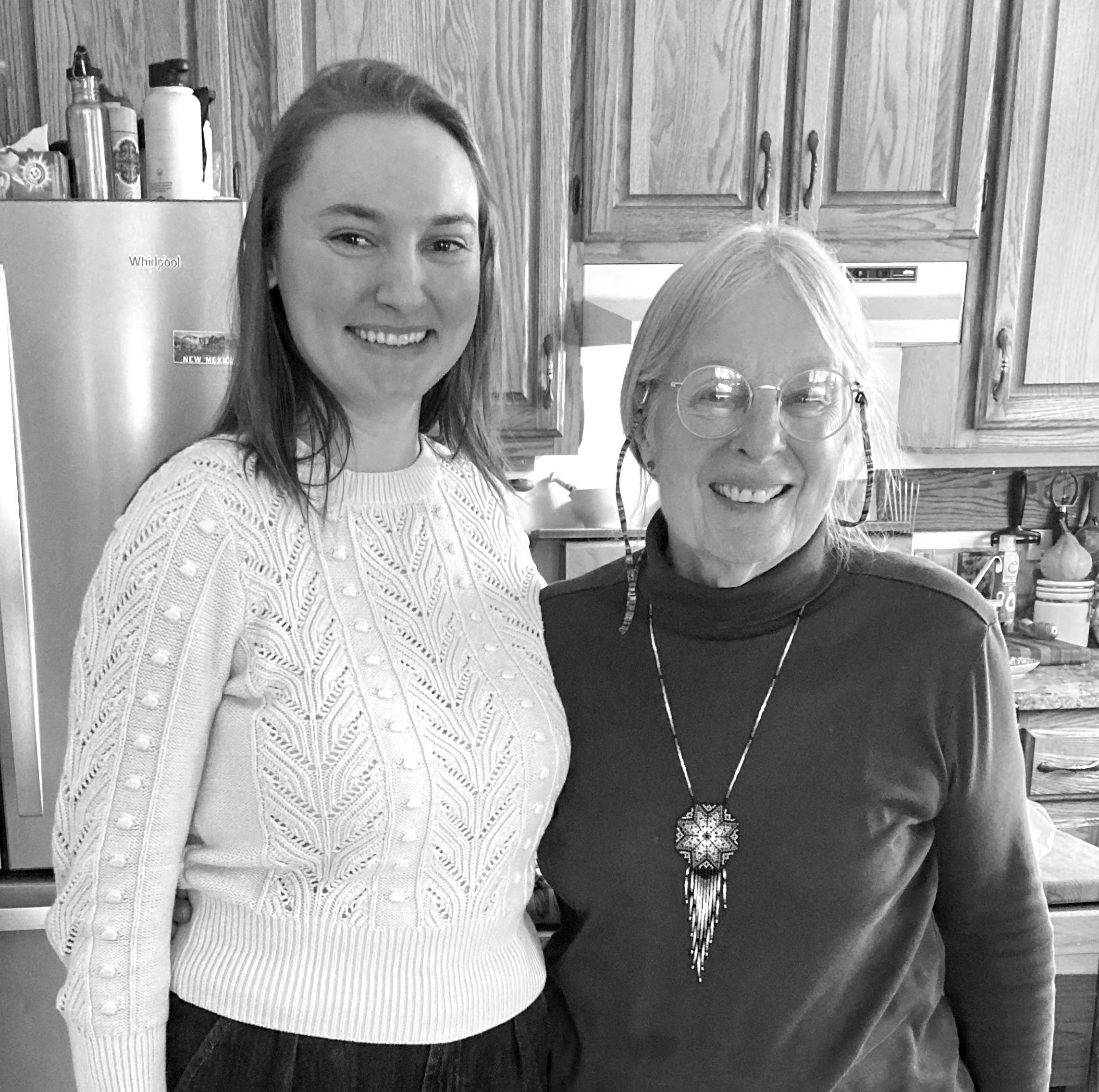
World building requires community building. A writer might be able to design a fictional world, but stories need characters and characters need community. The Farm is a fully realized world that has touched the lives of thousands. Early Farmies had community and each member brought their own skills and experience to The Farm. Some people came from agricultural backgrounds and could work on the farming crew. Some came from book publishing, so they began printing and publishing books written by community members. My mother worked in the soy dairy—processing soy beans into tofu. Many members like my father would leave Summertown on the weekends to work in construction, and return with income for their household on The Farm.
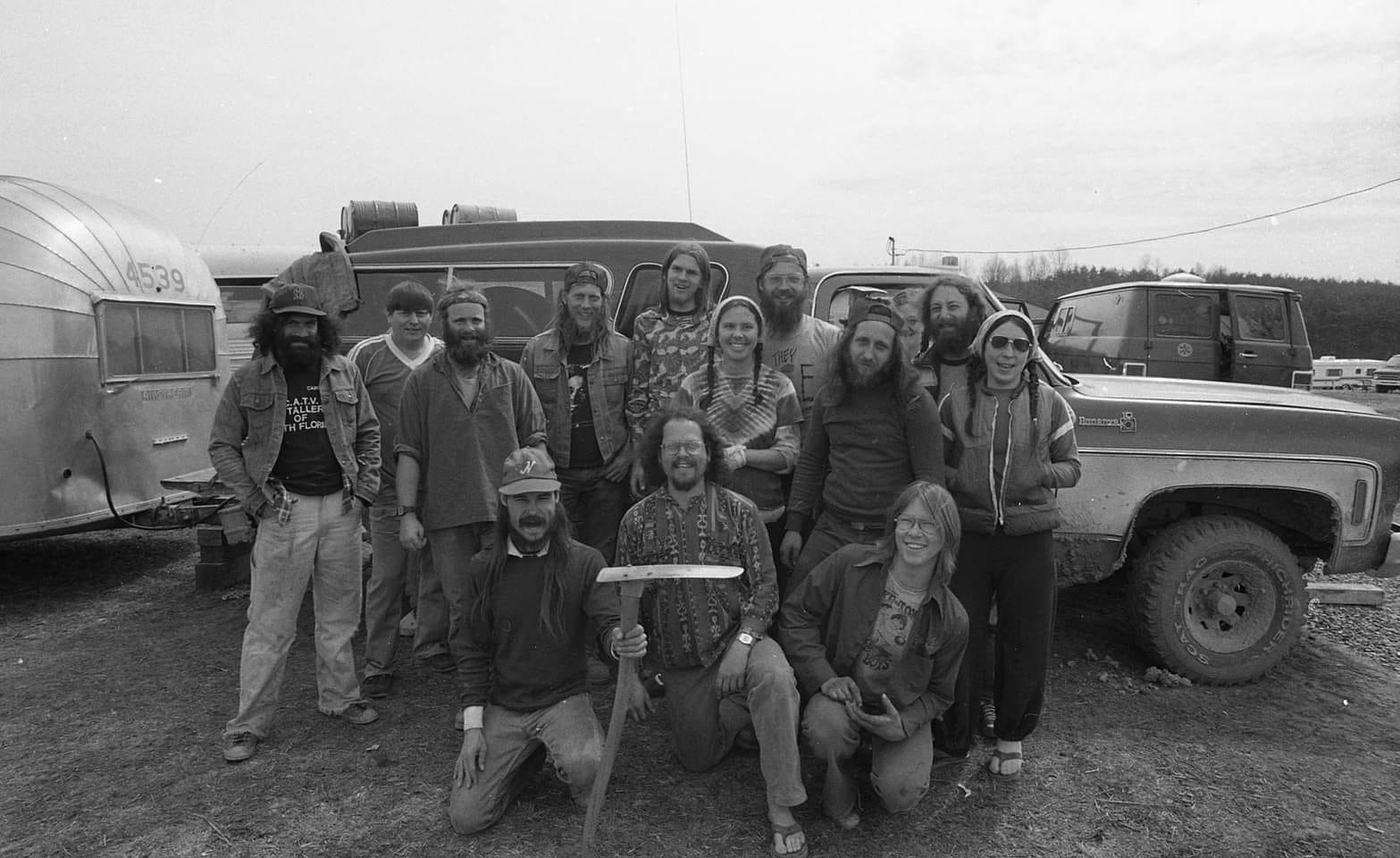
The Farm might be most famous for their midwifery clinic and birthing center. The Farm’s midwives developed techniques and skills that are still studied and practiced by obstetricians and nurses all over the world. Ina May is credited with developing the Gaskin Maneuver which aids in delivering a baby with shoulder dystocia. I know a neonatologist at Vanderbilt who was amazed to learn I was delivered by Ina May. Your favorite OB knows who Ina May is.
If you are under 50 years old, you might think this place sounds bizarre. But this actually happened in communities all over America. There was a network of communities like The Farm in Kentucky, New York, Virginia, Washington, Georgia, Massachusetts, and Puerto Rico. The Farm in Tennessee was a catalyst in America’s counter culture movement. It is also my origin point. If you couldn’t already tell, I am really not like other girls.
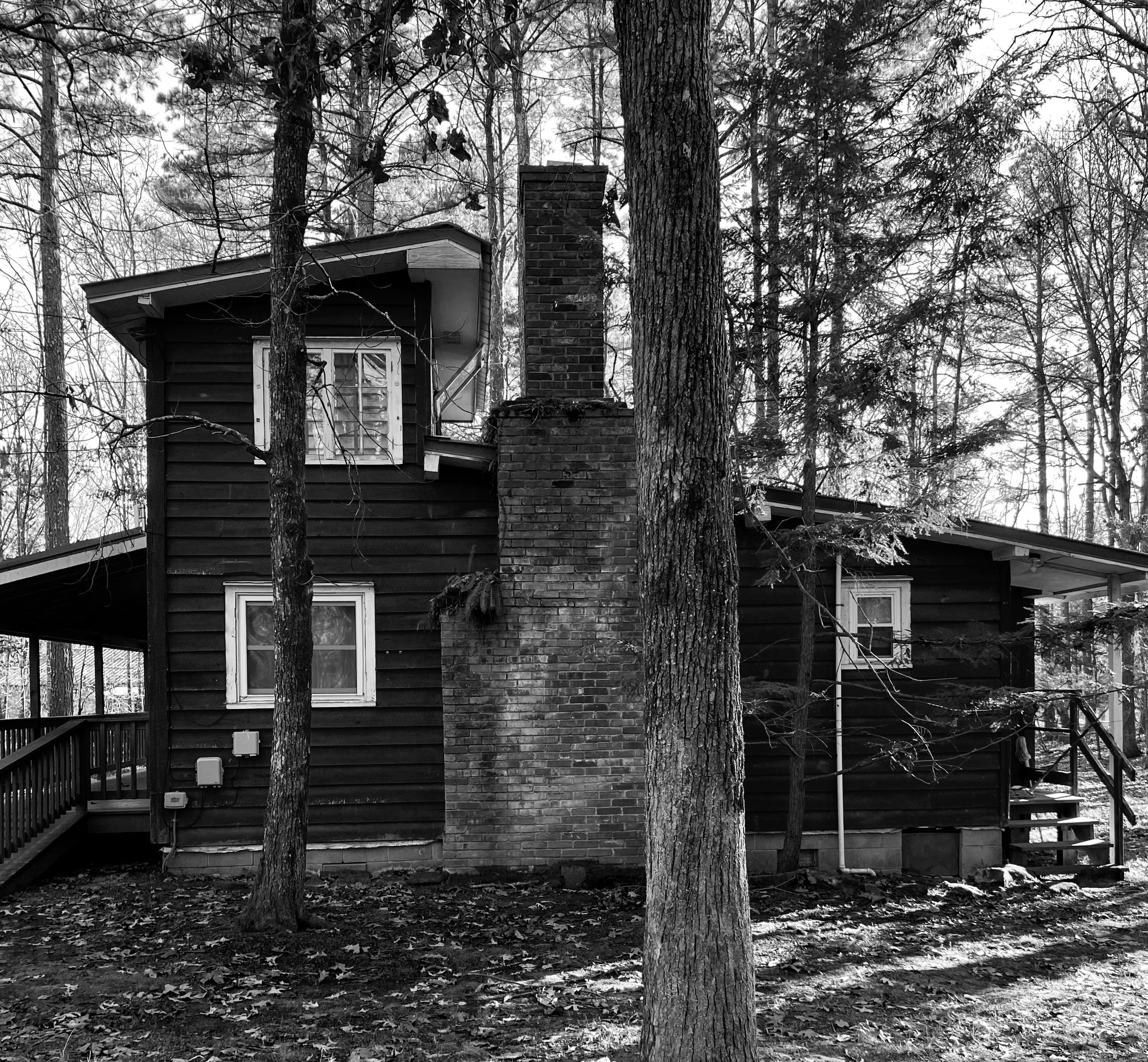
All of my architectural designs and songs draw from my experiences. The worlds I am able to imagine and create are dependent on existing worlds like The Farm. Before you can build a new world, you need a precedent. A seed has to come from somewhere.
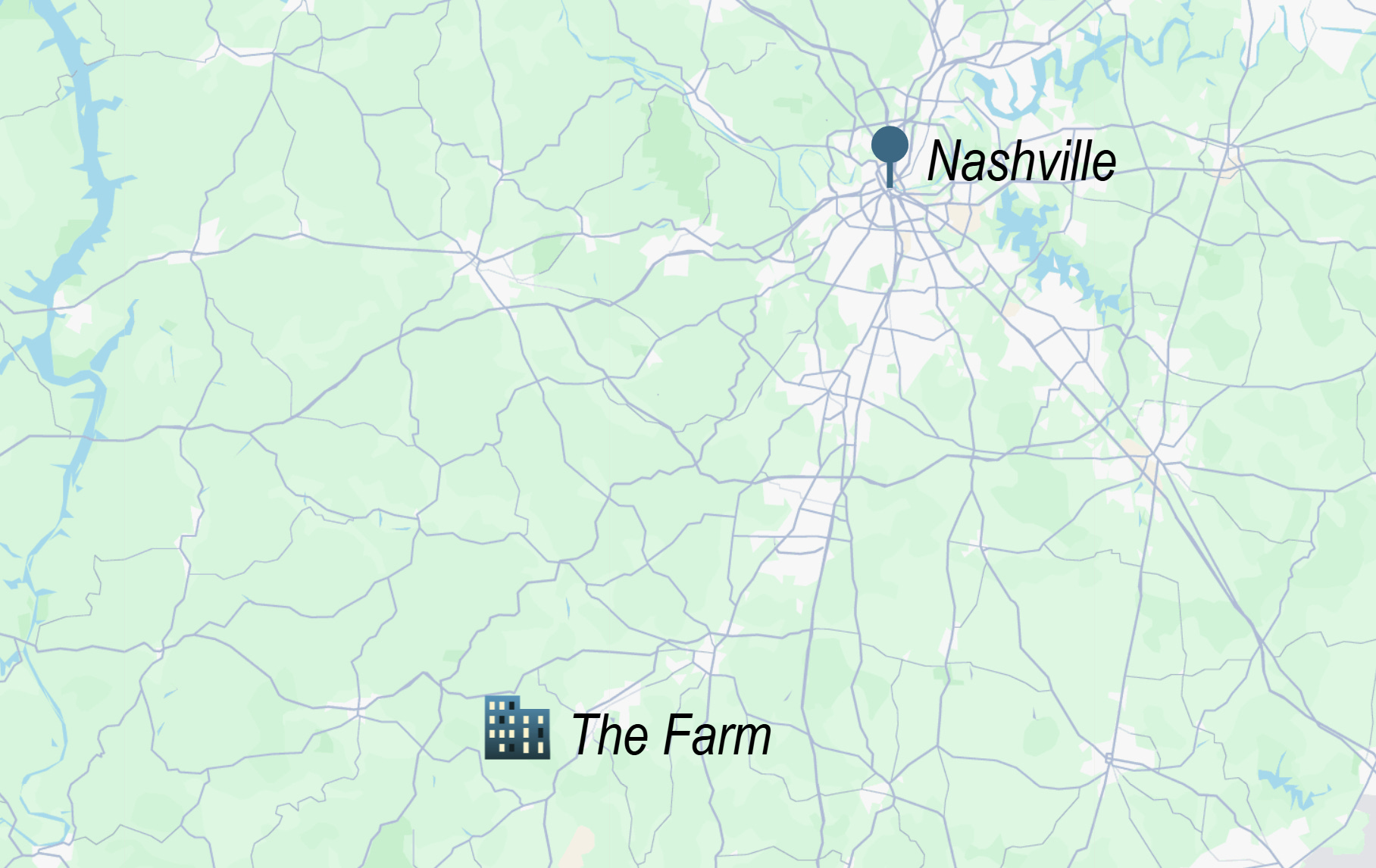
I think about The Farm often. My connection to it has impacted my perspective on the world, my life choices, and the stories I choose to tell. My own life story is incomplete without The Farm firmly at its core. Maybe I chose to study architecture because my dad worked on The Farm’s construction crew. See what I mean by precedent?
Even though I live in New York City, I still carry The Farm with me everywhere I go. I think origin points are a little like songs—they can ground you when your walls start to rattle. They are portable shelters. Just thinking about my origin point comforts me like listening to one of my favorite songs. They have the same effect on me—both can usher me back to safety in an instant.
Origin points are serious business. Who knew a dormant seed could wield such power? I am grateful for my connection to The Farm, and my life is richer for it. I would not be the same person/musician/architect without The Farm.
What origin points are you pondering these days?
I can relate so much to what you've written here, as my substack is driven by the rock and roll of my youth being such a powerful origin point and influence. I'm now revisiting and exploring a lot of the music from that time period as a way of reconnecting with my development and trajectory in life. I'm finding it profound and eye-opening, as you have in returning to The Farm.